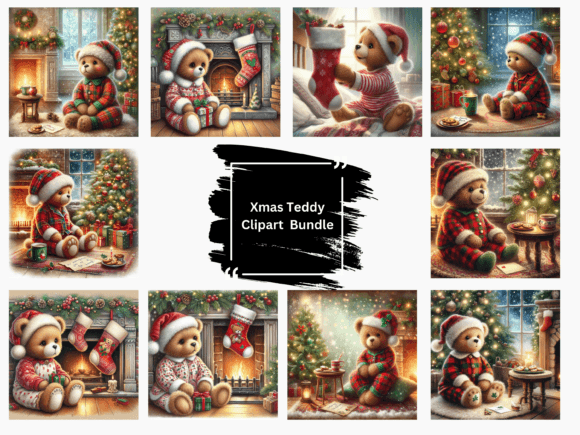
Reviewing Christmas Bear Scenes for Holiday Embroidery
As an embroidery designer who has spent countless hours digitizing and stitching out holiday motifs, I approach every new machine embroidery design with a mix of curiosity and caution. The market is flooded with seasonal graphics, but few translate well from screen to fabric. When I first loaded Christmas Bear Scenes into my software, I wasn’t just looking for cute aesthetics; I was evaluating its structural integrity, stitch flow, and commercial viability. This isn’t just another digital asset; it is a potential cornerstone for your winter product line if handled correctly.
First Impressions: Mood and Visual Personality
The immediate appeal of Christmas Bear Scenes lies in its nostalgic warmth. It captures that cozy, storybook feeling associated with the holidays without relying on clichéd, overly complex detailing that often causes stitching headaches. The layout feels balanced, offering a central focal point that draws the eye while leaving enough negative space to let the fabric breathe. For those of us working in Illustrations for embroidery, this balance is critical. A design that is too dense looks stiff and plastic-like once stitched, while one that is too sparse can look amateurish on high-value garments.
The visual personality here is gentle and inviting. It suggests softness, which aligns perfectly with the tactile nature of embroidered goods. Whether you are creating a personalized gift for a family member or stocking your Etsy seller shop with inventory, the mood this design evokes is one of comfort. That emotional connection is what drives sales in the handmade sector. Customers aren’t just buying a bear; they are buying the feeling of a quiet winter evening.
Real-World Application: From Screen to Stitch
To truly test Christmas Bear Scenes, I moved beyond digital mockups and considered its application on actual substrates. Let’s look at a common scenario: a custom tote bag design for a local boutique. Canvas is a sturdy, textured fabric. If the design relies heavily on fine running stitch details, they might get lost in the weave. However, if Christmas Bear Scenes utilizes robust fill stitch areas for the bear’s fur and bold outlines, it will pop beautifully against the rougher texture of canvas.
Consider also sweatshirt embroidery. Fleece and cotton blends are forgiving, but they have pile. A design with excessive density can cause puckering or make the garment feel heavy and stiff on the chest. In my evaluation, I look for how the design handles transitions between colors. Smooth transitions suggest good digitizing practices, meaning less thread trimming and a cleaner finished product. For a small shop product, efficiency is key. If I can stitch this out quickly without constant breaks or color changes, it becomes a more profitable item for my craft business.
Another strong candidate for this design is the embroidered patch. Patches require tight, saturated stitching to hold their shape when cut. If Christmas Bear Scenes has a defined border or can be easily framed with a satin stitch edge, it transforms from a simple decoration into a versatile accessory that can be ironed onto jackets, hats, or backpacks. This versatility increases the perceived value of the design assets you are purchasing.
Navigating Fabric and Hoop Constraints
While the design is charming, practical experience dictates that we must respect the limitations of our materials. Where should you use Christmas Bear Scenes carefully? First, consider hoop size. If this is a large, detailed scene, attempting to shrink it down for a small 4x4 hoop on a baby onesie could result in lost detail. Tiny elements may merge, turning distinct features into a blob of thread. Always check the recommended dimensions before resizing significantly.
Fabric texture and type play a massive role. On thin, stretchy fabrics like jersey knits used in baby embroidery, high-density areas can cause significant distortion. Here, the choice of stabilizer is non-negotiable. A cut-away stabilizer might be necessary to support the weight of the stitches, especially if the design covers a large surface area. Conversely, on dark fabrics, you must evaluate the thread colors specified in the embroidery file. If the design relies on subtle shading, ensure there is enough contrast against the background fabric, or consider adding an underlay or backing to prevent the fabric color from showing through.
Curved surfaces, such as caps, present another challenge. If Christmas Bear Scenes is wide, it may not wrap comfortably around the front panel of a baseball cap without distorting. In such cases, it is better suited for flat items like pillow covers, kitchen towels, or aprons. Always test on scrap fabric that matches your final project material. This step saves you from ruining expensive blanks and helps you dial in tension settings.
Enhancing Brand Value and Customer Trust
For commercial embroidery professionals, the quality of your designs directly impacts your brand reputation. A clean, well-digitized Christmas Bear Scenes signals professionalism. It shows that you care about the longevity and appearance of the handmade product. When customers receive an item where the stitches are even, the colors are vibrant, and the design is centered and crisp, their trust in your brand grows. This leads to repeat business and positive reviews, which are the lifeblood of any small business merchandise operation.
Moreover, the versatility of this design allows for consistent branding across different product lines. You can use the same motif on a holiday embroidery themed towel set and a matching custom apparel piece for a family photo shoot. This cohesion creates a stronger visual identity for your shop. When creating printable mockup previews for your online store, ensure the digital representation matches the physical reality. Misleading images lead to returns and dissatisfaction.
Practical Notes for the Embroidery Designer
Before you commit to producing a full run of products using Christmas Bear Scenes, take these practical steps:
- Test on Scrap Fabric: Always stitch out a sample on the exact fabric type you intend to use. Check for puckering, thread breaks, and color accuracy.
- Check Stitch Density: Review the digitizing info if available. High density may require heavier stabilizers or slower machine speeds.
- Verify Licensing: Confirm whether the digital embroidery file allows for commercial use. Most designers allow selling finished physical items, but reselling the file itself is usually prohibited.
- Contrast Check: View the design in black and white to ensure the shapes are distinct and readable without relying solely on color differentiation.
- Thread Quality: Use high-quality rayon or polyester threads to minimize breakage and maximize sheen, especially for satin stitch borders.
In conclusion, Christmas Bear Scenes offers a delightful blend of charm and practicality for the modern maker. It fits seamlessly into the world of Illustrations designed for textile application, provided you respect the technical constraints of your machinery and materials. By approaching this embroidery project with a designer’s eye for detail and a business owner’s focus on quality, you can create stunning holiday gifts and profitable inventory that stands out in a crowded market. Remember, the best design is not just the one that looks good on screen, but the one that stitches out flawlessly and brings joy to the end user.