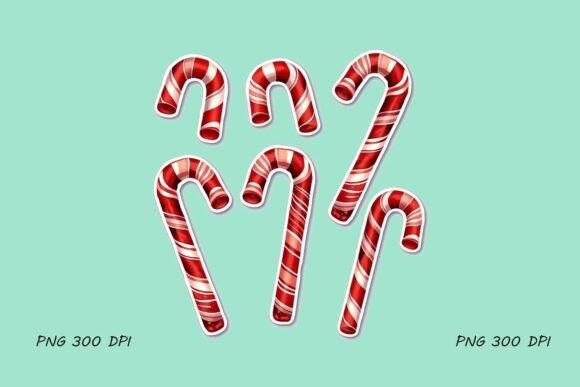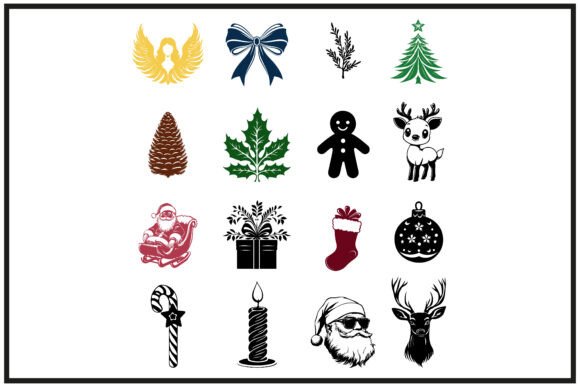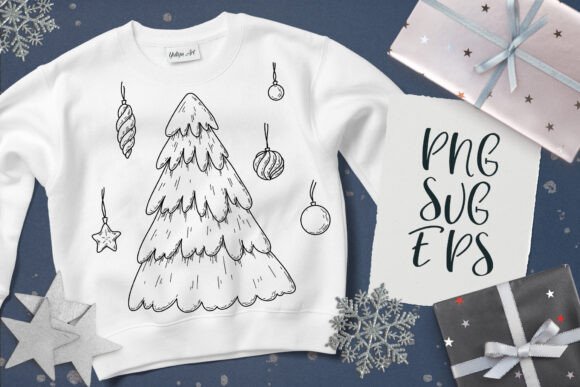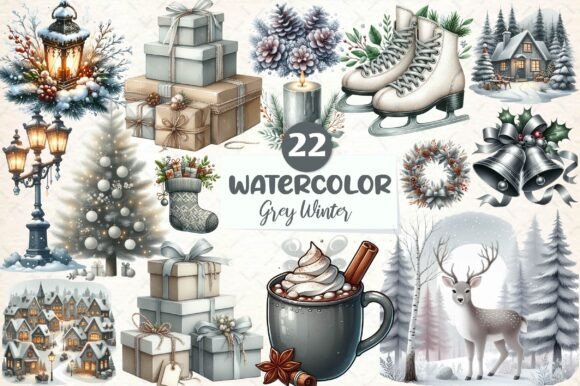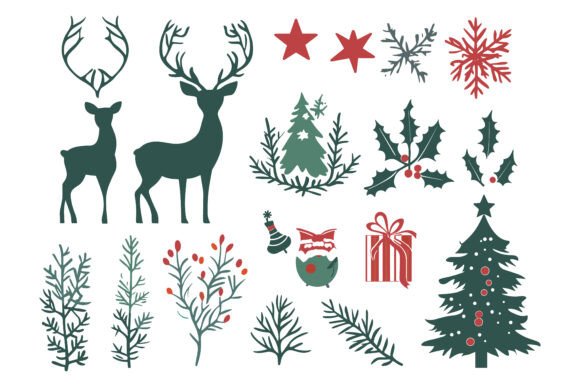
Reviewing Christmas Elements Vector Decorative for Stitching
As a designer who has spent years translating digital art into thread, I approach every new machine embroidery design with a mix of excitement and skepticism. We have all been there: you download a file that looks stunning on screen, only to find it turns into a bird’s nest of broken threads and puckered fabric once it hits the hoop. That is why I took a close, practical look at Christmas Elements Vector Decorative. This isn’t just about whether it looks pretty; it is about whether it holds up under the needle in real-world production.
My first impression of this collection, which falls under the broader category of Illustrations, was one of balanced complexity. The lines are clean, suggesting a vector origin that usually translates well to digitizing. For an embroidery project, clarity is king. If the shapes are muddy, the stitches will be too. These elements possess a distinct visual personality—festive without being cluttered, traditional yet sharp enough for modern aesthetics. They evoke a cozy, nostalgic holiday mood, making them ideal for seasonal merchandise that needs to stand out in a crowded market.
Real-World Application: The Holiday Tote Bag Test
To truly evaluate Christmas Elements Vector Decorative, I imagined a specific scenario: preparing a custom order for a local boutique client who wanted a run of heavy-canvas tote bags for their holiday gift wrap service. This is a common request for Etsy sellers and craft business owners during Q4. The challenge here is twofold: the fabric is thick and textured, and the bag will undergo significant stress when loaded with gifts.
I selected a few key motifs from the set to test mentally against these constraints. The larger decorative elements, likely relying on fill stitch patterns, would provide solid coverage on the canvas. However, the success of the finished product depends heavily on how the smaller details interact with the weave of the fabric. In my experience, designs that look delicate on a white screen can get lost on natural cotton or linen. With Christmas Elements Vector Decorative, the spacing between elements seems generous enough to prevent excessive pull, which is critical for maintaining the shape of a tote bag handle area or center panel.
Versatility Across Apparel and Home Decor
Beyond totes, this design asset shines in various custom apparel applications. Imagine these elements embroidered on a heavyweight crewneck sweatshirt. The sweatshirt embroidery market is huge, but it requires designs that can handle the loft of fleece or French terry. If the stitch density is too high, the garment will stiffen uncomfortably. If it is too low, the backing will show through. Based on the visual weight of these vector decorations, they appear suitable for medium-density stitching, striking a balance that keeps the fabric soft while ensuring the image pops.
For baby embroidery projects, such as onesies or burp cloths, the softer, rounded aspects of these decorative elements would work beautifully. Parents love personalized, high-quality personalized gift items, but safety and comfort are paramount. Here, I would recommend using a lighter weight stabilizer and possibly reducing the density slightly if the software allows, to ensure the garment remains gentle against sensitive skin. The theme fits perfectly for holiday embroidery collections, offering a timeless look that doesn’t feel dated by next year.
Home decor is another strong suit. Picture these designs on kitchen tea towels or pillow covers. The crisp lines of the vector art would translate well into satin stitch borders or accent details, adding a touch of elegance to rustic farmhouse styles. For an embroidered patch, these elements could be scaled down effectively, provided the smallest details are not so fine that they become unrecognizable when stitched out at two inches wide.
Navigating Technical Challenges and Fabric Choices
While Christmas Elements Vector Decorative is versatile, it is not without its limitations. As a professional, I must advise caution when using intricate designs on challenging materials. For instance, on stretchy fabrics like jersey knits, any design with large solid areas can cause tunneling or distortion. If you plan to use these on t-shirts, a cut-away stabilizer is non-negotiable, and you should test the thread colors carefully to ensure they do not bleed into the fabric fibers during washing.
Dark fabrics present another hurdle. If the design relies on fine running stitch details for texture, these may vanish against black or navy backgrounds. In such cases, consider using a heavier weight thread or adding an underlay that contrasts with the top thread to define the edges. Additionally, curved surfaces like caps require careful placement. A design that is too wide will distort around the seam of a baseball cap. Always check the dimensions of the individual elements within the digital embroidery file against your hoop size before committing to production.
Enhancing Brand Value and Customer Trust
From a business perspective, the quality of your design assets directly impacts your brand perception. Using high-quality design assets like Christmas Elements Vector Decorative signals professionalism. When customers see clean, well-defined stitching on a small shop product, they perceive higher value. This leads to better reviews, repeat business, and higher price points. It is not just about selling an item; it is about selling confidence in your craftsmanship.
For commercial embroidery projects, consistency is key. If you are creating a line of holiday products, these vector elements can serve as a cohesive visual language across different items—from aprons to ornaments. This consistency builds brand recognition. Furthermore, having reliable files reduces waste. Time spent re-stitching due to poor digitizing is time lost from marketing and sales. A reliable embroidery file pays for itself by minimizing errors.
Practical Designer Notes for Best Results
Before you load this design into your machine for a client order, follow these practical steps to ensure success:
- Test on Scrap Fabric: Always stitch out a sample on the exact fabric and stabilizer combination you plan to use. This reveals issues with tension and density before you ruin good material.
- Check Thread Contrast: View your design in black and white mockups. If the details disappear in grayscale, they will likely lack definition in real life. Adjust your thread colors to ensure sufficient contrast.
- Inspect Small Details: Zoom in on the tiniest elements. If they are thinner than your needle width, they may not stitch out cleanly. You might need to merge small objects or simplify the path.
- Verify Licensing: Before selling any handmade product or printable mockup featuring this design, confirm the license terms. Ensure you have the right to use it for commercial embroidery and digital sales if applicable.
- Consider the Hoop Size: Ensure the design fits comfortably within your hoop with adequate margin for clamping. Do not push the limits of the hoop, as this can lead to shifting during stitching.
In conclusion, Christmas Elements Vector Decorative offers a robust set of tools for the holiday season. It bridges the gap between artistic illustration and functional embroidery, providing Etsy sellers and makers with reliable, attractive options for their craft business. By respecting the technical constraints of your materials and following best practices for digitizing and stitching, you can transform these digital assets into cherished personalized gifts and profitable inventory. The key is not just in the design itself, but in how thoughtfully you apply it to your chosen medium.